Tuesday, July 19, 2022

What Would Cause Brake Lights Not To Work?

what would cause brake lights not to work

Driving at night or on dark cloudy days with either brake lights not working is risky for you and other drivers.  Many drivers just jump into their vehicles and don’t think about whether or not their brake lights are working.  Especially during these dark winter days, make it a habit to walk around your car every few days to inspect that all your lights are working correctly.  This inspection should include not only your brake lights, but your headlights, turn signals, fog lights, back-up lights, and tail lights.  If you notice a dim light, schedule a visit to your auto repair shop to determine if the issue is more than a burned-out bulb.  Some form of auto electrical repair may be compulsory.

Lights seem simple, but several things can go wrong. When light doesn’t work, it is usually because of the four problems below:

  • Burnt-out bulbs.  This is the most common issue that occurs most frequently. Every time a car driver steps on the brake pedal, the bulb is illuminated the entire time.  Also, consider that today’s vehicles are equipped with day-running lights that are on constantly.  Newer vehicles now have LED lights that last much lengthier, but older vehicles still use bulbs that need to be actually popped out and replaced.
  • Bad Brake Light Switch.  When the brake pedal gets pressed, a switch is activated to send a signal that it’s time to turn on.  Analog switches wear out and get dirty over time.  This interferes with their ability to make positive contact and transmit the correct signal.  If all of the brake lights are out at the same time, it is likely caused by a bad brake light switch.
  • Blown out fuse.  If the bulbs are good and the light switch is good, the next thing to inspect is a blown-out fuse.  If you are incapable to replace the fuse yourself, ask your auto mechanic for help.  Replacing a fuse is fairly simple and inexpensive.
  • Wiring problems.  Finally, after ruling out any of the problems above, inspect the wiring in the light socket itself.  It may have become dirty and corroded, or worn to the point where it’s only making the intermittent connection. Your auto mechanic can easily replace the light socket.

If you notice any of the issues above, your auto mechanic can easily diagnose the issue and perform the right auto electrical repair problem rapidly and fairly inexpensively.

Are you wondering what would cause brake lights not to work?  Call our ASE-certified technicians at Proshop Automotive for more information about auto electrical repair problems and to make an appointment. Our auto repair shop proudly serves residents in Colton, CA, and the surrounding areas.


Thursday, November 19, 2020

When Do Car Struts Need to be Replaced?

when do car struts need to be replaced

A vehicle is more than just 4 wheels rolling down the road.  It has many different systems that work together so that you are driving as safely as possible down the road.  One vital system, but one that doesn’t receive much attention, is the suspension system.  It keeps your vehicle connected to the road!  

The suspension system performs 6 functions:

  1. Helps maintain the appropriate vehicle ride height
  2. Reduces the effect of shock forces on rough roads
  3. Helps maintain correct car alignment
  4. Supports the weight of the vehicle
  5. Keeps the tires rolling down the road efficiently
  6. Keeps the wheels turning in the right direction

There are 4 major subsystems that make up the suspension system:

  • Tires, wheels, and car axlesTires provide traction for acceleration, braking, and cornering, as well as absorbing minor bumps.  They will wear out over time just from usual wear and tear.  Car axles and wheels can also fail from accident potholes.
  • Springs – Springs absorb large bumps but may break if the vehicle hits a bump very hard, and some springs will ultimately start to sag.  Springs are much less prone to failure than most of the other suspension parts.
  • Struts and Shocks – Shocks or struts dampen the motion of the springs after a bump, keeping the vehicle from bouncing excessively.  Together with the car axles, shocks and struts work together to ensure that your vehicle operates safely.  
  • Rods and Connectors – Every suspension system includes rods and other connecting sections that collectively keep the wheels in place.  They are solid metal so they rarely fail excepting in major accidents. 
  • Bushings, bearings, and joints – These parts allow a small amount of twisting among the other parts of the suspension system.  They can wear out from usual use and will want to be replaced.

Tip to Remember:  When any of the parts of the suspension system wear and fail, the performance of other systems is significantly decreased.  For example, it will take a longer distance than normal to come to a complete stop.  Don’t let your vehicle be the cause of a serious accident. 

Need an inspection of the suspension system?  Call our ASE-certified technicians at Proshop Automotive for more information about when do car struts need to be replaced and to request an appointment. Our automotive shop proudly serves residents in Colton, CA, and the surrounding areas.


Friday, October 23, 2020

What Does a Full Car Service Consist of?

what does a full car service consist of

Many car owners may admit that at one time, they have put off the car maintenance services recommended by the vehicle manufacturer.  Not understanding what does a full car service consists of, they don’t want to take time out of their busy schedule, or their budget was too tight.  These car owners may be thinking that they are saving money, but in reality, they may actually be spending more, as the cost of an emergency car repair is much greater than the cost would have been for the routine car maintenance.  

There is a good reason that car manufacturers publish service guidelines—they understand what it takes to make sure that when their cars come off the assembly line, they operate as reliably and safely for as long as possible.  Regular maintenance not only helps drivers avoid urgent and expensive car repair, but it is also important in keeping your car driving as safe as possible on the road.  

So how does one find out what does a full car service consist of?  Many Car drivers know that their vehicle has a manual that lists the recommended mileage or time interval for each maintenance service item.  You should find it in the glove box of your car.  Or, you can ask your expert car repair mechanic for advice.

What does a full service consist of?  At least once a year:

  • Inspect all lights (interior and exterior), warning lights, and horn.  
  • Inspect windshield for cracks, condition of wiper blades and washer reservoir
  • Drain the motor oil and refill with fresh oil.  Inspect for oil leakages.
  • Replace air filter, 
  • Inspect the radiator’s coolant level and top off as needed.  Also, inspect for leakages in connections and hoses.
  • Inspect condition of belts, spark plugs, time belt, and gas cap.
  • Inspect the brakes, including the condition of the brake fluid, brake pads, rotors and caliper for wear, and hand brake.
  • Have the condition of the tire inspected, as well as tread wear, rotation, and air pressure.
  • Inspect the suspension system, including shocks, struts, wheel bearing, and brake fluid.
  • Inspect the condition of the exhaust system.

So if you want to know what does a full car service consist of, call our ASE Certified technicians at Proshop Automotive for more information about car repair and to make an appointment. Our auto repair shop proudly serves residents in Colton, CA, and the surrounding areas.


Tuesday, October 13, 2020

What Causes the “Check Engine” Light to Come On?

what causes the check engine light to come on

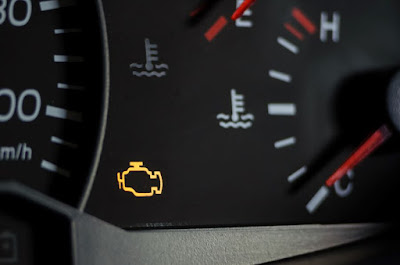
Many car owners know that if they want to keep their current car a trustworthy source of transportation, it is important to take care of their vehicle.  In spite of keeping up with routine engine service, when the “Check Engine” light starts to glow on their dash, anxiety starts to fill their mind.  What is happening under the hood?  And what causes the “check engine” light to come on? Their biggest fear is that a major engine repair could cost thousands of dollars.

Just remember that the “Check Engine” sensor is part of the on-board diagnostic system that is continuously monitoring engine performance, such as engine speed, air to fuel ratio, and ignition timing.  If a “fault” within the system is detected, whether big or small, the “check engine” light will illuminate.

So what causes the “Check Engine” light to come on?  Here are several of the main causes to consider:

  1. Damaged Gas Cap – If the gas cap is loose, fuel vapors leak out and can throw the whole fuel system off, reducing gas mileage and increasing toxic emissions. Tightening or replacing the gas cap may resolve the issue.
  2. Oxygen Sensor failure – The oxygen sensor monitors the unburned oxygen from the exhaust system, and how much fuel is burned. A faulty oxygen sensor doesn’t send the right data to the computer, which then reduces gas mileage and increases emissions.  
  3. Catalytic Convertor Failure – The catalytic convertor reduces exhaust gases by converting carbon monoxide and other harmful materials into harmless compounds. If it fails, gas mileage wills reduction and loss of power when you try to accelerate. 
  4. Faulty Mass Airflow Sensor – This sensor tells the car's computer to add the proper amount of fuel based on the air coming through to the engine. If the mass airflow sensor fails, toxic emission will increase, your car may stall, and gas mileage will decrease.
  5. Dirty Spark Plugs and Wires – The spark plug provides a gap for a spark to jump across and initiates combustion in your engine.  If they are starting to go bad, replacing them is an easy fix

A word of advice:  Take care of recommended engine service items to help prevent small engine issues to turn into an expensive engine repair.  

Do you want to know more about what causes the “Check Engine” light to come on?  Contact our ASE Certified technicians at Proshop Automotive for more information about engine repair service and to make an appointment. Our auto repair shop proudly serves residents in Colton, CA, and the surrounding areas.

Thursday, September 24, 2020

How Many Miles Should You Get an Oil Change?

how many miles should you get an oil change

Experienced auto drivers already know that the most cost-effective maintenance item to keep your vehicle in the best shape is to schedule regular oil changes. Though, many auto mechanics report that they have vehicles brought in for repair because of engine damage caused by dirty oil.  Either the drivers didn’t know what oil to use or they simply delayed too long between oil changes. They then discover that the cost of an engine repair is far more than an oil change service.

Here are several things every driver should know about oil changes:

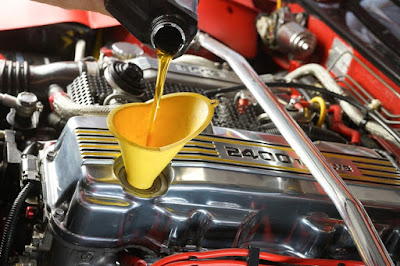
  1. The purpose of oil.  Oil lubricates the parts of the engine so they don’t grind against each other creating excess friction and heat.  Oil also carries away dirt, dust, and other contaminants as it flows through the engine.
  2. The oil change interval.  The right oil change interval required for your vehicle will vary depending on its age, the type of oil used, and your driving conditions. Be sure to read your owner’s manual or ask your auto mechanic for advice.  The right interval could be anywhere between 3,000 miles for older vehicles using conventional oil up to 15,000 miles for new vehicles using full-synthetic oil. 
  3. Warning light.   Drivers should not rely on the dashboard warning light before changing the oil as many are programmed to come on around 3,000 to 5,000 miles after the last oil change. The engine may already be low on oil before that light comes on.
  4. Temperature affects oil.  Designations indicating the viscosity of oil have been developed by the Society of Automotive Engineers.  Some oils are designed to be thinner when cold and more viscous when hot.  For example, 10W-30 oil—the "10W" corresponds to the lower viscosity when the engine is cold—the "30" refers to the higher viscosity when the engine is hot and running generally.  
  5. Conventional, premium, and synthetic oils. Normally, high-performance engines require synthetic oil, while the “average” engine uses conventional oils.  Blends combining synthetic, premium, or conventional oils are normally used for trucks and SUVs. 

Tip to Remember:  Read your owner’s manual to find out what is the best oil change for your car. Or ask your auto mechanic for recommendations on what is best for your vehicle.

Do you want to know more about how many miles should you get an oil change?  Call our ASE Certified technicians at Proshop Automotive for information about their oil change coupons and to make an appointment. Our auto repair shop proudly serves residents in Colton, CA, and the surrounding areas.

Wednesday, August 19, 2020

How Often Should Wheel Alignment Be Done?

how often should wheel alignment be done


Most of the time, drivers don’t put “car alignment” at the top of their car maintenance list. Many of us know when to take care of the basics, such as tune-ups, oil changes, and fluid inspects, and battery replacement. Though, many leave out one of the most vital parts of safe driving—your tires.  Proper car alignment is compulsory if you want your vehicle to handle well, extend the life of your tires, and drive as safe as possible on the road.

Just what exactly is wheel alignment you ask?  Put simply, a wheel alignment service makes sure the wheels are similar to each other and perpendicular to the road. Although regular tire rotations help minimize wear and tear, it doesn’t make up for the wear caused by wheels that aren’t angled according to factory specifications.

But how do you know how often should wheel alignment be done?  Make it a practice to have your car alignment inspected each time you visit your auto repair shop for other types of maintenance.  Your auto mechanic can then identify any potential issues and stop them from becoming a costly repair.  The longer you delay to address small problems, the more they can end up costing you in the long-run.

Waiting until a tire blows out at the side of the road can lead to expensive repairs, tow service, and even an accident.  By recognizing the symptoms of improper car alignment, drivers can reduce their risk of expensive repair bills or even an accident.  Here are signs of misalignment to look out for:
  • The car becomes off-center, making it more difficult to steer.
  • Vibrating for no apparent reason to the side when driving. 
  • Tires wear unevenly, making them ineffective for safe driving.  
  • Added stress on the suspension system, risking damage to suspension components, and an expensive repair.
  • An adverse effect on braking, compromising safety on the road.  
  • Filling up with fuel more often due to “tire drag” from misaligned wheels.
Conscientious drivers will notice the signs of misalignment and have it corrected as soon as possible. Also, by driving carefully, drivers are more likely to avoid incidents that could cause misalignment issues in the first place, enabling them to benefit from greater safety on the road.

Need to know more about how often should wheel alignment be done?  Consult our ASE Certified technicians at Proshop Automotive for more information about our car alignment services and to make an appointment. Our auto repair shop proudly serves residents in Colton, CA, and the surrounding areas.

Monday, July 27, 2020

What Car Maintenance is Necessary?

what car maintenance is necessary


The key to keeping your vehicle running stronger and longer than expected knows how to take care of it.  An assessment of the condition of your car, which includes general wear and tears to fluids, brakes, engines, tires, and more, should be done about every 12,000 miles.  If you take care of minor car repair problems as soon as you can, you will save time and money later down the road on major car repairs. It could also prevent an accident and save lives.

A benefit of keeping up with the recommended vehicle maintenance item is that the engine and its components can run at their most efficient level. Thus, your car will be more fuel-efficient, saving you money at the pump.  Also, if you should ever want to sell your car, you can ask for a higher price because you will be able to show a complete history of the vehicle maintenance that’s been done.
What car maintenance is necessary as you head out on a summer road trip?  Take the time to read through your vehicle owner’s manual. There you will find the vehicle maintenance schedule together with the suitable mileage interval for each service, including the following items:
  • Oil change, including filter replacement
  • Inspect the lights, both interior, and exterior
  • Tires, including rotation and air pressure, inspect
  • Muffler and Exhaust system
  • Brake inspection
  • Inspection of the steering system
  • The engine is “tuned” to run in its peak condition
  • Inspect hydraulic fluid and coolant levels
  • Inspect the cooling system (radiator, belts, and hoses)
  • Suspension system
  • Car alignment
  • Condition of the battery, as well as the alternator
Most of today’s newer vehicles have an in-vehicle service reminder system that will illuminate on the instrument panel when it is time for an oil change; fluid level inspects component inspections or other maintenance services.  For an older car, it is still vital to follow your vehicle owner’s manual, as the vehicle maintenance schedule is still based on the number of miles driven within a time period.

Do you want to know more about what car maintenance is necessary? Consult our ASE Certified technicians at Proshop Automotive for more information about vehicle maintenance and to make an appointment. Our auto repair shop proudly serves residents in Colton, CA, and the surrounding areas.

Thursday, July 16, 2020

What Does a Car Diagnostic Test Tell You?

what does a car diagnostic test tell you


One of the most useful advances in the automotive industry has been computerization.  Because of the advances in technology, your auto mechanic can use a specialized computer to scan the operating systems in your vehicle.  Diagnostic tests are not just compulsory when the check engine light comes on.  There are various benefits to taking a proactive approach to car maintenance, including the need for a car tune up

What does a car diagnostic test tell you?  It can analyze the overall performance of your vehicle and pinpoint any potential issues as well as determine whether any adjustments to certain systems may be needed.  Your auto mechanic doesn’t have to guess anymore as to what kind of repair may be needed simply based on an issue you may have only experienced.

A diagnostic test can indicate issues associated with any of the following operating systems or components of your vehicle:
  • Transmission, 
  • Oil tank, 
  • Gas tank, 
  • Exhaust system
  • Ignition timing problems, 
  • Level of combustion buildup in the engine, 
  • Fuel injector performance, 
  • Engine rpm levels, 
  • Condition of the ignition coils, 
  • Air and coolant temperature, 
  • Position of crankshaft and camshaft along with the throttle opening.  
In other words, a diagnostics test lets your auto mechanic know that it’s time for a car tune up!  Instead of spending your hard-earned money on fixing things by “trial and error,” issues can be identified long before they become major issues.  However, many auto technicians may recommend taking your car in for a diagnostic inspection at least once a year to uncover minor issues that can’t be seen.  It’s also beneficial when you’re inspecting out a used car so you know whether or not it’s a good deal.
Need to know more about what does a car diagnostic test tell you?  Consult our ASE Certified technicians at Proshop Automotive for more information about a car tune up and to make an appointment. Our auto repair shop proudly serves residents in Colton, CA, and the surrounding areas.

Thursday, June 18, 2020

Wondering when is a Transmission Fluid Change Needed?

when is a transmission fluid change needed


If you are starting to notice transmission issues (see the list below), you may find yourself wondering when is a transmission fluid change needed?  Although transmission fluid could remain in your vehicle for as long as you drive without changing it, most auto mechanics would tell you that the transmission fluid should be changed about every 30,000 to 60,000 miles.

If you recognize the purpose of transmission fluid, you will recognize why your auto mechanic may recommend scheduling a transmission service to flush the transmission.  The main purpose of transmission fluid is to lubricate surfaces and components of the transmission, which helps prevent excessive friction and overheating.  Also, as the transmission fluid, it is transmitting power from the engine to the transmission.  Eventually, if there are leaks in the transmission or there are worn-out or damaged components, the level of fluid can become dangerously low due.  

So how do you know when is a transmission fluid change needed?  Watch for these signs:
  1. Delayed Shifting. The gears won’t engage instantly if there isn’t enough pressure in the transmission fluid. 
  2. Difficulty Shifting. If there is a lot of dirt in the transmission fluid, the gears may change either too fast or too slow, too abruptly, or too erratically. You also may hear grinding sounds coming from the transmission or see unusually high RPMs before the gears shift. 
  3. Slipping gears.  Although you know you changed gear, it seems to fall back out of that gear.  It is likely that the friction material on the clutches and transmission bands cannot securely hold the gear in place. 
  4. Transmission Overheats. The transmission fluid keeps the automatic transmission from overheating.  If you notice a burning smell along with loss of power, pull over instantly and let everything cool down.
Try topping off the transmission fluid. If this doesn’t do the job and the above symptoms persist, you may be facing a major transmission repair. 

Are you looking for quality transmission repair? Consult our ASE Certified technicians at Proshop Automotive for more information about when is a transmission fluid change needed and to make an appointment. Our auto repair shop proudly serves residents in Colton, CA, and the surrounding areas.

Wednesday, May 20, 2020

What causes your headlights to not work?

what causes your headlights to not work


With the longer days of summer, many customers may not think about their headlights and brake lights.  Though, make sure you keep an eye on them as they can burn out or stop working without you noticing.  It’s still vital that you have working headlights and brake lights so that you can be seen on those unexpected rainy days or for late-night driving.

So what causes your headlights to not work or seem extra dim?  There could be some reasons, including:
  • Burned out bulbs:  If only one headlight is not working, the issue is usually a burned out bulb.  Have it replaced as soon as possible and then if it still doesn’t work, you will want your auto mechanic to inspect the wiring or fuses.
  • High beam doesn’t work:  If the bulb isn’t the issue, it could be faulty wiring in the switch or relay.
  • Electrical System:  If the lights dim only when the engine is idling and the brightness changes with the RPM, the issue may have to do with the electrical system.  This could involve an issue with a bad alternator or a loose belt.  If the alternator is fine, the accessories may be drawing too much power, such as aftermarket components.  In this case, a more powerful alternator may take care of the issue.
  • Lights seem dim all the time:   The issue could be foggy lenses or worn out bulbs.  Over time, bulbs can lose their brightness so you may want to invest in a new set of bulbs.  Dirty, foggy, or oxidized lenses block the light.  Dirt is easy to clean.  Foggy lenses are an indication that water is getting into the headlight assembly.  It may want to be replaced.  Lenses that have oxidized can be reconditioned.  This involves removing the oxidation and then applying a protective coating.
In older model vehicles, the average person could replace burned out headlights or brake lights themselves.  But with the design of today’s vehicles, the lights are much harder to access.  Unless you have the right equipment, it is much smarter to go straight to your auto mechanic who has the right tools and diagnostic equipment to check the headlight system, inspect the fuses, switches and relays, and then either repair or replace as needed.

Are you wondering what causes your headlights to not work?  Call the ASE-certified technicians at Proshop Automotive for more information about headlights and brake lights and to make an appointment. Our auto repair shop proudly serves residents in Colton, CA, and the surrounding areas.

Friday, April 24, 2020

What Happens If You Neglect Regular Oil Changes?

what happens if you neglect regular oil changes


New and inexperienced vehicle owners may not understand what happens if they neglect regular oil changes.  Experienced car owners may have experienced first-hand what kind of damage can take place in the engine if the oil is not changed on a regular basis.

In case you are confused about the exact oil change interval for your vehicle, and the type of oil to use, read your owner’s manual.  This is the guideline suggested by the manufacturer to ensure that your vehicle will keep running strong for lots of miles.

There are some benefits for keeping up with regular oil changes:
  • Extends your engine’s longevity
  • Optimizes your vehicle’s performance
  • Prevents excessive engine wear and tear
  • Keeps engine parts lubricated
  • Prevents engine overheating
So what happens if you neglect regular oil changes?  With use and time, oil deteriorates and loses its effectiveness. It’s time for an oil change if you see any of the warning signs below:
  1. Dark and dirty oil.
  2. Noisy engine because of lack of lubrication
  3. Oil change warning light comes on.
  4. Smoke coming from the muffler.
  5. Oil smell inside the car, combined with gas or exhaust fumes.
Even though oil changes are relatively quick and cheap, because of schedules and budgets, it is easy for people to put off the needed oil change.  Because auto repair technicians really do want their customers to be driving safe vehicles, lots of auto shops offer oil change coupons to make this service more affordable.  Ask your auto mechanic or go to your auto shop’s website and find their oil change coupons. 

Are you wondering what happens if you neglect regular oil changes? Call our ASE Certified technicians at Proshop Automotive for their oil change coupons and to make an appointment. Our auto repair shop proudly serves residents in Colton, CA, and the surrounding areas.

Saturday, March 21, 2020

When Should Wheel Alignment Be Done?

when should wheel alignment be done


Have you noticed that toddlers often put their shoes on the wrong feet?  Their toes are pointing the wrong direction!  This is a little example of driving with wheels that are not correctly aligned.  The wheels of your car aren’t pointed in the same direction as the steering wheel.  

The simple act of hitting a curb or running through a pothole can damage your alignment as much as a major accident.  Wheels out of alignment will cause your tires to wear more unevenly and faster than normal.  Misalignment problems will also decrease your vehicle’s fuel economy as well as could be the cause of losing control of your car, especially in wet conditions.

There is no set schedule for having an alignment service.  Though, most auto mechanics recommend having the front alignment checked about every 6,000 miles (or every other oil change depending on your service interval).  And, keep checking your tires!  At the first sign of uneven tire wear, you should schedule an alignment service.  Also, it’s suggested to have a wheel alignment any time you have a new set of tires installed on your vehicle. 

A periodic wheel alignment service will restore your car’s handling and safety, increase fuel economy, prevent damage to vital vehicle components, plus extend the life of your tires. The price of an alignment service is relatively inexpensive compared to the cost of replacing tires or repairs to the suspension system.

If you have steering issues or notice uneven tread wear, have the front alignment inspected as soon as you can.  Don’t compromise the safety of your vehicle!

Have questions about a front alignment service?  Call our ASE Certified technicians at Proshop Automotive for more information about when should wheel alignment be done and make an appointment. Our auto repair shop proudly serves residents in Colton, CA, and the surrounding areas.

Monday, February 17, 2020

What Are Signs Of Bad Struts?

what are signs of bad struts


What gives you a smooth and relaxed ride in your vehicle?  It’s the automotive shocks, depending on your vehicle!  The purpose of the steering and suspension systems is to keep your ride smooth and safe, working together in harmony.  But as the miles accumulate on your car, the components of these two systems will ultimately wear out.  

Just like most of the other parts and systems in a vehicle, automotive shocks and struts have a specific maintenance schedule. Your auto mechanic may advise to replacing these parts between every 50,000 to 100,000 miles.  Of course, the lifetime of shocks and struts will depend largely on how and where you drive.  Do you drive mainly on smooth straight roads, or do you travel over roads filled with ruts and potholes?  

So what are signs of bad struts or automotive shocks?
  • Poor steering response.
  • Swaying and leaning when turning and changing lanes.
  • Vehicle bounces excessively when driving.
  • Braking performance is unstable.
  • Vehicle Nosedives when braking hard.
  • Tire "Cupping" as the rubber wears off the tire every time it hits the ground.
  • Hydraulic Fluid leaking from inside the strut or shock.
If you notice that you are struggling to control your vehicle as you drive down the road, check out the shocks or struts. For increased safety, stopping performance, vehicle stability, and control, it may be time to replace your car shocks or struts.  

Are you wondering what are signs of bad struts and automotive shocks?  Call the ASE-certified technicians at Proshop Automotive for more information about the suspension system and to make an appointment. Our auto repair shop proudly serves residents in Colton, CA, and the surrounding areas.

Thursday, January 30, 2020

Wondering How Many Miles Should You Service Your Car?

how many miles should you service your car

There are several factors that will affect how many miles you should service your car:  These are:  
  • The amount of miles you drive.
  • The service history of your vehicle.
  • The condition of the road you travel on.
So at how many miles should you service your car?  Many auto mechanics recommend that you have a basic car service every 12 months or 12,000 miles, whichever comes first.  If you drive a lot of miles during a year, you should try to have an interim service about every 6 months or 6,000 miles.  These services should include a inspect of all the fluid levels, oil and filter change, and lubricate all the moving car parts.  Of course, with the proficiency of your mechanic together with your owner’s manual, you should choose the best level of service for your circumstances. 

Most Modern cars have taken the guesswork out of knowing when to service your car.  Many cars today have an in-built computer that will flash on the dashboard when your car has reached its service interval.  If your car doesn’t have this service alert, ask your car repair expert about the specific servicing requirements for your vehicle. 

Remember:  Regular car service increases the safety, reliability and long life of your vehicle.  Small faults can be discovered early and taken care of before they become a major issue.  Moreover, research shows that vehicles that have received regular service have a resale value of up to 26% more than similar vehicles that have not received regular service. 

Are you looking for quality car repair?  Call our ASE Certified technicians at Proshop Automotive for more information about how many miles should you service your car and make an appointment. Our auto shop proudly serves residents in Colton, CA, and the surrounding areas.

Thursday, January 16, 2020

When Should You Change Transmission Fluid?

when should you change transmission fluid

If you’re wondering when should you change transmission fluid in your vehicle, you may want to know just what is the purpose of transmission fluid.  First, it lubricates all the surfaces and components of the transmission system to prevent the friction that causes overheating, and secondly, it transmits power from the engine to the transmission. 

A topic of controversy among mechanics is when should you change transmission fluid?  Some say that transmission fluid should never want to be changed.  But some vehicle manufacturers recommend replacing transmission fluid about every 100K miles, while some say about every 50K miles.  Find your owner’s manual to see what it has to say, and then discuss the topic with a trusted auto mechanic.

In spite of the facts above, it is a fact that transmission fluid deteriorates over time.  Particular driving conditions raise the transmission’s operating temperature and put more strain on the transmission and the fluid, such as frequent stop-and-go city driving, hauling weighty loads, or towing.   If your vehicle has a lot of miles, it could be that the transmission could be developing a leak.  

So when should you change transmission fluid?  If the fluid has turned darker than usual it may be time for a transmission flush. Or, if you start to notice a burned odor, it could an indication that the transmission is developing issues, such as 
  1. Delayed shifting. 
  2. Difficulty and/or noisy shifting.
  3. Slipping in and out of gear. 
  4. Overheating and burning smell.
If you have the transmission fluid inspected about every month, you can keep tabs on its condition, and prevent an expensive transmission repair down the road. 

Are you wondering when should you change transmission fluid in your vehicle?  Call our ASE Certified technicians at Proshop Automotive for more information about a transmission fluid change and to make an appointment. Our auto repair shop proudly serves residents in Colton, CA, and the surrounding areas.

Saturday, December 14, 2019

Wondering How Often Should You Get Your Brakes Serviced?

how often should you get your brakes serviced


A simple answer to this question is to get your brakes serviced any time you feel you are starting to notice stopping issues.  Properly working brakes are important for safe driving!  You don’t want to be the cause of an accident if your vehicle fails to stop when and where you expect it to.  

Here are a few common factors that actually will determine the lifetime of your brakes:
  • Style of driving. If you are an aggressive driver, constantly stomping down hard on the brakes at stop signs or as you come up behind another vehicle, your brakes will wear out more speedily than those who come to a slow stop while pressing gently on the brake pedal.
  • Weight of vehicle, plus passengers and cargo. The auto manufacturer has calculated the stopping power of brakes based on the weight of the vehicle plus passenger and cargo limits.  Continually overcapacity, the effectiveness of your brakes is significantly diminished.
  • Quality of components. The quality of the brake components, such as brake pads and rotors, impacts how fast they wear out.
  • Use of vehicle. Pulling heavy loads, such as heavy trailers, driving mostly in mountainous terrain, or making frequent stop-and-go trips, will cause your brakes to wear more speedily than normal as they have to be applied harder and more frequently.
Here are some signs of failing brakes that you should be aware of:
  • Brake Light On
  • Squealing, Squeaking or Grinding Noises
  • Wobbling, Vibration or Scraping When Braking
  • Leaking Fluid
  • Spongy or Soft Brake Pedal
  • Vehicle Pulls to One Side When Braking
  • Burning Smell While Driving
  • Bouncing up and down when you make a hard stop.
Are you wondering how often should you get your brakes serviced?  Call our ASE Certified technicians at Proshop Automotive for more information about brake repair and to make an appointment. Our auto repair shop proudly serves residents in Colton, CA, and the surrounding areas.

Wednesday, November 13, 2019

Why Would the Check Engine Light Come On?

why would the check engine light come on


You’re driving smoothly down the road when all of a sudden the “Check Engine” light comes on.  Why would the check engine light come on, you wonder?  Your car seems to be operating just well.  Should you drive straight to an engine repair shop and call a tow truck? Don’t panic!  A check engine light rarely signals anything disastrous.  

So why would the check engine light come on?  There are some issues that could trigger that little light:
  • Loose gas cap
  • Damaged vacuum hose
  • Damaged ignition coils 
  • Failing catalytic converter
  • Worn out spark plugs. 
Although it’s okay to keep driving for a few more miles, the smart thing to do is get your car into your auto shop as soon as potential.  This will let you know for sure what’s going on in the engine and avoid a possible expensive engine repair. The important concern is to make sure that long-term damage isn’t taking place in your engine and that you aren't compromising the safety of your vehicle.  

Need to find quality engine repair?  Call our ASE Certified technicians at Proshop Automotive for more information about why would the check engine light comes on and make an appointment. Our auto repair shop proudly serves residents in Colton, CA, and the surrounding areas.

Thursday, October 24, 2019

Wondering what Does Regular Car Maintenance Include?

what does regular car maintenance include


As a conscientious driver, you want to make sure your vehicle is as safe as potential while going down the road.  While some things may seem too small to be concerned about, when it comes to vehicle maintenance, everything is vital.  And of course, it is always wise to double-check the vehicle maintenance checklist listed in your owner’s manual.  

So what does regular car maintenance include?  Here is a general list of vehicle maintenance items:
  1. Windshield Wiper Blades –. When the blades are exposed to excessive heat or cold for months on end the rubber may stiffen and no longer wipe the water off the glass.  Replace wipers at least once a year, or more if you live in a rainy climate
  2. Car Battery, Starter, and Alternator – A car battery should be replaced about every 5 years.  If your lights appear dim and you run a lot of accessories, it may want to be replaced more often.  Have the starter and alternator inspected out too.
  3. Brake System (rotors, pads, and calipers) – Replace the brake pads at about every 50,000 miles.  If you do a lot of stop-and-go driving, you may want to replace these braking components more often.
  4. Accessory Drive Belt/Serpentine Belt – This belt should usually be replaced about every 60,000 to 100,000 miles.  This belt is crucial as it operates many parts, including the alternator, water, and power steering pump, air pump and the A/C compressor. 
  5. Radiator, coolant, hoses, and belts – The radiator circulates coolant and water throughout the engine to prevent it from overheating.  Have it checked and the coolant/water mixture inspected about every 6 months.  Hoses may want to be replaced about every 75,000 miles.  
  6. Air Filter – For most cars, the air filter should be replaced about every 15,000 to 30,000 miles, depending on the driving conditions.  If you don't do a lot of driving, have it replaced at least every 3 years, as it becomes brittle.
  7. Transmission – Don’t wait until you have shifting issues and a major repair before having a checkup of your transmission.  You may simply want a transmission flush.
  8. Tires – Keep the correct inflation pressure in your tires, and have tires rotated about 6 months.  Depending upon the tread wear, tires should be replaced about every 45,000 miles.
  9. Oil and Filter Changes – This is a small but critical service that keeps your engine running smoothly and efficiently.  Follow the recommendation stated in your owner’s manual for the right oil change interval.
What does regular car maintenance include?  Call our ASE Certified technicians at Proshop Automotive for more information about vehicle maintenance and to make an appointment. Our auto repair shop proudly serves residents in Colton, CA, and the surrounding areas.

Thursday, October 17, 2019

Wondering what does a diagnostic test do for your car?

what does a diagnostic test do for your car


Annual physical inspections help keep you in good health, right?  The same is true for your car!  Regular diagnostic tests can detect car issues before they require costly repair, or worse, leave you stranded on the side of the road after a breakdown.  While some vehicle owners think diagnostic tests are only compulsory when the check engine light comes on, there are many benefits to taking a proactive approach to car maintenance, including the need for a car tune up.   

So what does a diagnostic test do for your car?  Using specialized software and thanks to built-in processors, microchips and sensors, diagnostic tools speedily and accurately point to issue areas within the engine, transmission, brakes, exhaust system and other major components, as well as performance problems with the fuel injector, airflow and coolant, ignition coils, and throttle. 

Before the emergence of car diagnostic tests, identifying issues was timesaving and costly.  Vehicle owners normally only brought their cars to mechanics after a breakdown or other severe malfunction. Now, computerized components can detect issues long before they cause a breakdown. Diagnostic tools can also inspect a car’s computer system for manufacturer notifications and stored information about the car’s history, giving technicians a complete picture in order to perform the best repair potential.  This saves time and money spent troubleshooting an issue--you don't have to pay for repairs performed on a "trial-and-error" basis.

Many auto technicians recommend taking your car in for a diagnostic check at least once a year.  This can uncover minor issues that can’t be seen or heard.  Diagnostic testing is also a useful tool when you’re inspecting out of a used car. Both private sellers and expert car dealers should agree to a diagnostic test before you commit to buying, and if they don’t, that’s a sign you should walk away from the deal.

What does a diagnostic test do for your car?  It means that your auto mechanic can identify the issue quickly; order parts as compulsory; and have it fixed before it becomes a more expensive repair. 

Are you wondering what does a diagnostic test do for your car?  Call our ASE Certified technicians at Proshop Automotive for more information about a car tune up and to make an appointment. Our auto repair shop proudly serves residents in Colton, CA, and the surrounding areas.

Tuesday, September 17, 2019

What Would Cause a Headlight to Keep Burning Out?


Driving home late one night, you notice that one of your headlights is scorched out. You remember replacing that bulb not too long ago and wonder if there is an issue.  With winter’s dark days and nights around the corner, this is a concern.  Halogen bulbs and sealed beam headlights have very fine tungsten wire filaments inside that emit light when heated.  Constantly replacing headlight bulbs is not only an inconvenience and expense but also an indication that there could be an underlying issue with your vehicle.  

So what would cause a headlight to keep burning out?  Here are several problems that could be the cause:
  • Vibration -- Vibration can be caused by driving over rough roads, the bulb is not securely mounted in the headlight assembly, there is a bent bulb socket or headlight housing, the headlight housing is not securely attached to your car, or the front wheels are out of balance.
  • Touching the bulb -- You should always wear gloves or use a cloth if you have to touch the glass of the bulb.  If you touch the glass with your bare fingers, oil from your skin will adhere to the glass and may cause hot spots on the glass when the bulb is on, resulting in uneven heating and probably breakage of the glass. 
  • Temperature extremes -- Heat is compulsory for the headlight filament to emit light; though the hotter the filament gets, the less durable it is. If you do an excessive amount of night driving or drive with daytime running lights, the increased amount of time that your lights are on will heat the filament to a higher temperature.  Also, if you drive in cold climates, bulb filaments become more brittle and are more susceptible to breakage, especially if accompanied by vibrations from rough roads and potholes.
  • Turning on headlights before starting the car -- Normally, vehicles divert electrical power from any accessories that are on in order to deliver maximum power to the starter motor. If you turn your headlights on before starting your vehicle, the lights will turn off and then come back on when the engine starts, shortening the headlight bulb life.
  • Water leaking -- Signs of condensation inside the headlight housing is a sign that water is leaking into the housing.  Because water and electricity don’t mix, any condensation may cause a short circuit. Also, condensation coming in contact with a hot bulb may cause it to break. 

Do you want to know more about what would cause a headlight to keep burning out?  Call our ASE Certified technicians at Proshop Automotive for more information about headlights and brake lights and to make an appointment. Our auto repair shop proudly serves residents in Colton, CA, and the surrounding areas.